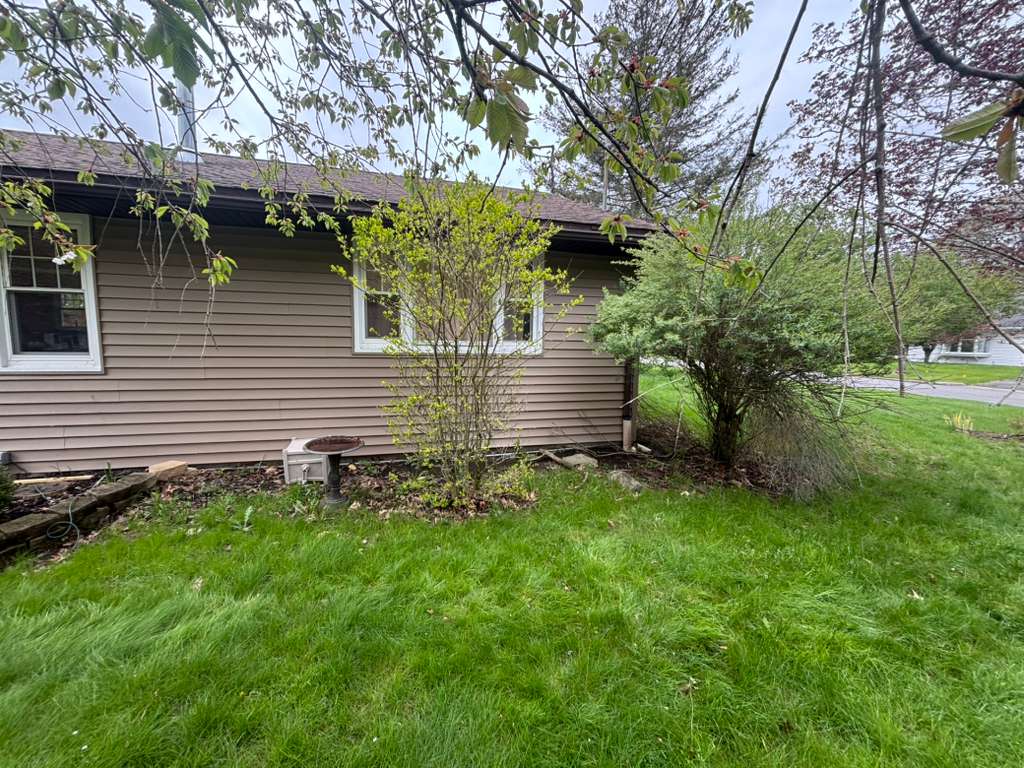
Winter lawn care plays an important role in keeping your grass healthy through the cold months. A lawn may look quiet in winter, but the grass and soil still need care. Cold weather, snow, ice, leaves, and wet soil can all cause problems if you do not prepare your yard.
The good news is that winter lawn care does not need to be hard. A few simple steps in fall can help protect your grass and reduce problems when spring arrives. You can also save time by dealing with leaves, weeds, and other yard issues before winter settles in.
In this guide, we will explain how to prepare your lawn for winter. You will learn how to mow, remove leaves, manage soil, and protect your grass from winter damage. We will also cover simple seasonal lawn maintenance tips that can help your yard stay in better shape.
Why Winter Lawn Care Matters
Grass may grow slowly or stop growing during cold weather. However, that does not mean your lawn needs no care. Winter can place stress on grass, soil, and other parts of your yard.
Heavy snow can cover grass for long periods. Wet soil can also become soft and easy to damage. In addition, piles of leaves can block light and trap moisture against the grass.
These problems can lead to weak grass, bare spots, mold, or other lawn issues. Therefore, preparing your yard before winter can make a big difference.
Good lawn protection starts before the first major snowfall. When you remove debris and take care of basic lawn tasks, your grass has a better chance of coming back strong in spring.
When Should You Start Winter Lawn Care?
The best time to start winter lawn care depends on your local weather. In areas with cold winters, fall is often th e best time to prepare your lawn.
Do not wait until the ground is frozen. Instead, start your fall lawn work while the weather is still comfortable. This gives you enough time to clean the yard and deal with any lawn problems.
Watch the weather as well. If temperatures are dropping and winter is getting close, finish your main lawn tasks before the ground becomes too cold or wet.
A good rule is to plan your final lawn work before the first lasting freeze. This gives your grass time to prepare for the colder season.
Keep Mowing Before Winter
One important part of seasonal lawn maintenance is keeping your grass at a suitable height before winter. Do not leave your lawn very tall when cold weather arrives.
Long grass can become weak and bend under snow. This can create a damp environment where lawn problems may develop. However, cutting the grass too short can also cause stress.
Therefore, aim for a balanced height during your final mowing sessions. Keep the grass neat without cutting too much at one time.
You should also keep your mower blades sharp. Sharp blades make cleaner cuts and can help reduce stress on the grass.
As winter gets closer, pay attention to growth. Once the grass stops growing due to cold weather, you may not need to mow again until spring.
Remove Leaves From Your Lawn
Fallen leaves are one of the biggest fall yard problems. A thick layer of leaves can block air and light from reaching the grass.
Leaves can also hold moisture against the lawn for long periods. This may create conditions that are not good for healthy grass.
Therefore, remove leaves from your lawn on a regular basis during fall. Do not wait until every leaf has fallen if your yard is covered early.
You can rake the leaves, collect them, or use other suitable yard equipment. The goal is to keep the grass clear before winter arrives.
Professional property cleanup can also help when leaves and yard debris become difficult to manage. Learn more about DG Lawncare’s property cleanup services, which include seasonal cleanup and leaf removal.
Clear Other Yard Debris
Leaves are not the only material that should be removed before winter. Small branches, sticks, dead plants, and other debris can also collect across your yard.
Take time to walk around your property and clear these items. This simple step can make your yard cleaner and easier to manage.
Debris can also become harder to remove once snow covers the ground. Therefore, it is better to finish the cleanup before winter weather becomes severe.
A clean yard is also easier to inspect in spring. When the snow melts, you can quickly see areas that need attention.
Keep Your Lawn Well Fed
Grass needs nutrients to stay strong. Fall can be a useful time to provide your lawn with the care it needs before winter.
However, lawn needs can vary based on grass type, soil, and local conditions. Therefore, avoid adding products without knowing what your lawn needs.
A soil test can help you understand the condition of your soil. It may show whether your lawn needs changes to its nutrient balance.
If you use fertilizer, follow the product instructions carefully. Do not assume that more fertilizer will create better results.
Good yard care is about balance. The goal is to give your lawn what it needs without adding too much.
Check Your Soil Before Winter
Healthy soil supports healthy grass. Before winter arrives, check your lawn for areas that feel hard, compacted, or poorly drained.
Compacted soil can make it harder for water and air to move through the soil. This can affect grass roots and overall lawn health.
If your lawn has heavy foot traffic, soil compaction may be more common. In such areas, proper soil care can be an important part of your seasonal lawn maintenance plan.
However, the best approach depends on your soil and grass type. If you are unsure what your lawn needs, consider getting professional advice before taking major steps.
Aeration Can Help Some Lawns
Aeration is another lawn care task that may help certain lawns. It involves creating small openings in the soil so air, water, and nutrients can reach the roots more easily.
Fall is often a useful time for aeration in many cool-season lawns. However, timing depends on grass type and local weather.
Do not aerate soil that is extremely wet. Working on very wet soil can make compaction worse.
If your lawn gets heavy foot traffic or has hard soil, ask a lawn care professional if aeration is right for your yard. The right timing can help support stronger grass growth.
Deal With Weeds Before Winter
Weeds can compete with grass for water, nutrients, and space. Fall can be a good time to check your lawn and garden areas for unwanted growth.
Walk around your property and look for weeds in the lawn, flower beds, and other outdoor areas. Remove them where needed and use safe control methods that fit your property.
Do not use lawn products without reading the label. Different products work in different ways, and some may not be suitable for every grass type.
Good weed control is part of long-term yard care. When you manage weeds before spring, you may have fewer problems when the growing season starts.
Protect Your Lawn From Heavy Traffic
Winter can make lawns more fragile. Walking on frozen or snow-covered grass too often can cause damage.
Try to avoid unnecessary foot traffic on the lawn during winter. Use walkways when possible and keep vehicles away from grassy areas.
This is especially important when the soil is wet or soft. Heavy traffic can press the soil down and damage grass crowns.
Good lawn protection is often about avoiding simple problems. Keeping people and vehicles off vulnerable areas can help reduce winter damage.
Do Not Leave Heavy Objects on the Grass
Before winter, check your lawn for items that have been sitting in one place for a long time. These may include equipment, toys, furniture, or other outdoor items.
Move these objects to a suitable storage area. Leaving heavy items on the grass can press down the turf and block light and air.
You should also store lawn equipment properly. Clean your mower and other tools before putting them away for the season.
Taking care of your equipment now can make spring lawn work easier.
Prepare Your Yard for Snow
Snow is a normal part of winter in many cold areas. While you cannot control how much snow falls, you can prepare your yard for it.
Mark important areas before heavy snow arrives. This can help you avoid damaging plants, garden beds, or other parts of your property when clearing snow.
Also, avoid piling heavy snow on delicate plants or areas that may suffer from excess moisture. Plan where snow will go before a major storm when possible.
Simple preparation can protect both your lawn and the rest of your yard.
Avoid Walking on Frozen Grass
Frozen grass can be more fragile than it looks. Repeated walking across the same area can lead to damaged grass and visible paths.
Therefore, try to keep winter traffic to a minimum. This is especially helpful when the grass is frozen but not protected by a thick layer of snow.
If you need to cross your yard, spread out foot traffic instead of using the same path every time. Better yet, use established walkways.
This small change can support better winter lawn care and reduce spring repair work.
Check Your Lawn After Snow Melts
Your lawn care does not end when winter is over. As soon as the snow melts, inspect the yard for signs of damage.
Look for bare spots, broken branches, compacted areas, and places where leaves or debris collected. Also check areas that stayed wet for a long time.
Do not rush to work on the lawn when the soil is still very soft. Walking or using heavy equipment on wet soil can cause more damage.
Instead, wait until the ground is dry enough to handle normal lawn work. Then, begin your spring lawn care step by step.
Build a Simple Seasonal Lawn Maintenance Plan
A year-round lawn needs more than one cleanup. A simple plan can help you stay ahead of problems.
In spring, focus on cleaning the yard and helping grass recover. During summer, pay attention to mowing, watering, and lawn stress. In fall, prepare the grass for colder weather and remove leaves.
Winter is mainly about protection. Keep the lawn clear, limit traffic, and watch for issues when weather allows.
This approach makes seasonal lawn maintenance easier to manage. Instead of trying to fix everything at once, you can handle smaller tasks throughout the year.
Common Winter Lawn Care Mistakes
One common mistake is cutting the grass too short before winter. While you want to avoid very long grass, cutting too much can also stress the lawn.
Another mistake is leaving thick layers of leaves on the grass. Leaves can trap moisture and block light, so regular cleanup is important.
Some homeowners also walk or drive across the lawn when the ground is frozen or very wet. This can damage the grass and compact the soil.
Finally, avoid using lawn products without knowing what your grass and soil need. When in doubt, ask a lawn care professional for advice.
When Should You Call a Lawn Care Professional?
Some lawn tasks are simple enough to handle yourself. However, larger yards and heavy seasonal cleanups can take a lot of time.
Professional help can be useful when you have large amounts of leaves, heavy debris, overgrown areas, or other cleanup needs. It can also save time when you need regular lawn maintenance throughout the year.
DG Lawncare provides lawn care and property cleanup services in the Jamestown, NY area. You can contact DG Lawncare for a free estimate if you need help preparing or maintaining your property.
Professional service can make your seasonal lawn maintenance easier. It also lets you spend less time dealing with heavy outdoor work.
Conclusion
Good winter lawn care starts before the cold weather arrives. Mow your grass at the right height, remove leaves and debris, check your soil, and limit traffic on the lawn.
These simple steps can support better lawn protection and make spring yard work easier. In addition, regular seasonal lawn maintenance can help keep your property healthy throughout the year.
If your fall cleanup feels like too much work, professional help can save time and effort. Contact DG Lawncare today for a free estimate and keep your yard ready for every season.
Frequently Asked Questions
1. What is winter lawn care?
Winter lawn care includes the steps you take to protect your grass before and during cold weather. It can include mowing, leaf removal, debris cleanup, soil care, and limiting traffic on the lawn.
2. When should I start winter lawn care?
Fall is usually a good time to prepare your lawn for winter. Start before the ground freezes and give yourself enough time to finish mowing, leaf removal, and other basic yard care tasks.
3. Should I mow my lawn before winter?
Yes, your final mowing can help prepare the lawn for winter. Avoid leaving the grass very long, but also avoid cutting it too short. The right height depends on your grass type and local conditions.
4. Should I remove leaves before winter?
Yes. Thick layers of leaves can block light and trap moisture against the grass. Regular leaf removal can help keep the lawn cleaner and reduce potential winter problems.
5. Can I walk on my lawn during winter?
Try to limit foot traffic, especially when the grass is frozen or the soil is wet. Repeated traffic can damage grass and compact the soil.