A lush, green lawn is often the centerpiece of a beautiful home. It enhances curb appeal, creates a welcoming outdoor space, and adds value to your property. However, achieving and maintaining a healthy yard requires more than occasional mowing or watering. Lawn care is an ongoing process that involves understanding your grass, soil, and seasonal needs.
Many homeowners struggle with common lawn issues such as weeds, patchy grass, or discoloration, often due to inconsistent maintenance or lack of proper techniques. The good news is that with the right approach and routine, anyone can maintain a vibrant and healthy lawn.
This guide covers essential lawn maintenance tips, seasonal care strategies, solutions to common problems, and the tools you need to keep your yard in top condition throughout the year.
Essential Lawn Maintenance Practices
Proper Mowing Techniques
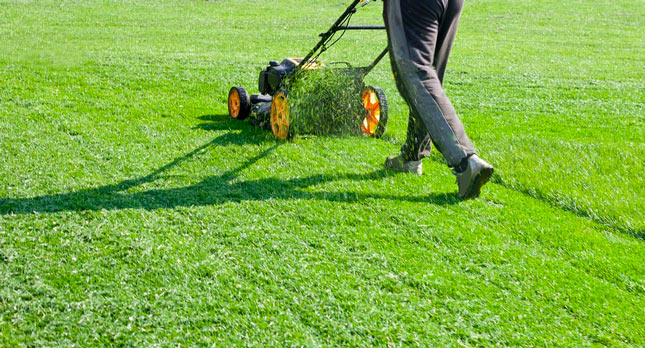
Mowing is one of the most basic yet critical aspects of lawn care, whether you handle it yourself or rely on a professional lawn mowing service. Cutting your grass too short can weaken it, making it more susceptible to weeds, pests, and drought. On the other hand, letting it grow too long can lead to uneven growth and an untidy appearance.
A good rule of thumb is to never cut more than one-third of the grass blade at a time. This helps maintain healthy growth and reduces stress on the lawn. Additionally, keeping your mower blades sharp ensures clean cuts, which prevent damage and disease.
It’s also beneficial to vary your mowing pattern. Changing directions each time you mow prevents soil compaction and encourages upright grass growth.
Watering Schedule and Best Practices
Watering is essential for maintaining a healthy lawn, but it must be done correctly. Overwatering can lead to shallow root systems and increase the risk of fungal diseases, while underwatering can cause the grass to dry out and turn brown.
The best time to water your lawn is early in the morning. This allows moisture to reach the roots before the heat of the day causes evaporation. Deep and infrequent watering is more effective than frequent shallow watering, as it encourages deeper root growth.
Monitoring weather conditions is also important. During rainy periods, you may need to reduce watering, while hot and dry conditions may require additional hydration.
Fertilization Basics
Fertilizing your lawn provides essential nutrients that promote strong growth and vibrant color. A balanced fertilizer typically contains nitrogen, phosphorus, and potassium, each playing a key role in lawn health.
Applying fertilizer at the right time is crucial. Over-fertilization can harm your lawn and the environment, while under-fertilization may lead to weak and thin grass. Following recommended application rates and schedules ensures optimal results.
Organic fertilizers are also an option for those looking for environmentally friendly solutions. They improve soil health over time and provide a steady release of nutrients.
Seasonal Lawn Care Tips
Spring and Summer Maintenance
Spring is the time to revive your lawn after winter dormancy. Start by removing debris, dethatching if necessary, and applying a suitable fertilizer to encourage new growth. This is also a good time to address any bare patches through overseeding.
As temperatures rise in summer, maintaining proper watering becomes critical. Mowing height should be slightly increased to provide shade to the soil and retain moisture. Regular monitoring for pests and diseases is also essential during this period.
Fall and Winter Preparation
Fall is an ideal time to strengthen your lawn in preparation for winter. Aeration and overseeding help improve soil structure and promote healthy root development. Applying a fall fertilizer supports nutrient storage, which aids in spring growth.
Before winter sets in, continue mowing until the grass stops growing. Removing fallen leaves prevents them from smothering the lawn and causing damage.
During winter, lawn growth slows down significantly. While active maintenance is minimal, avoiding heavy foot traffic on frozen grass helps prevent damage.
Adjusting Care Based on Weather Conditions
Weather plays a significant role in lawn health. Adapting your maintenance routine based on current conditions ensures that your lawn receives the care it needs.
For example, during drought conditions, conserving water while maintaining essential hydration is key. In contrast, during periods of heavy rain, ensuring proper drainage helps prevent waterlogging and root damage.
Common Lawn Problems and Solutions
Weed Control Strategies
Weeds compete with grass for nutrients, water, and sunlight, making them a common challenge for homeowners. Preventing weeds is often easier than eliminating them once they appear.
Maintaining a thick and healthy lawn is the best defense against weeds. Regular mowing, proper fertilization, and consistent watering create conditions that discourage weed growth.
For existing weeds, targeted treatments can be effective. Choosing the right method depends on the type of weeds and the severity of the infestation.
Pest and Disease Management
Pests and diseases can quickly damage a lawn if not addressed promptly. Common pests include insects that feed on grass roots, while diseases often manifest as discolored or patchy areas.
Regular of your lawn helps identify problems early. Signs such as unusual spots, thinning grass, or increased insect activity should not be ignored.
Using appropriate treatments and maintaining proper lawn care practices can prevent most pest and disease issues. Healthy lawns are naturally more resistant to these problems.
Fixing Patchy or Dry Areas
Patchy or dry areas can result from various factors, including poor soil quality, inadequate watering, or heavy foot traffic. Addressing the root cause is essential for long-term improvement.
Overseeding is an effective way to fill in bare spots and promote uniform growth. Improving soil quality through aeration and adding organic matter can also enhance lawn health.
Ensuring consistent watering and reducing stress on affected areas helps restore the lawn’s appearance over time.
Tools and Techniques for Better Lawn Care
Choosing the Right Equipment
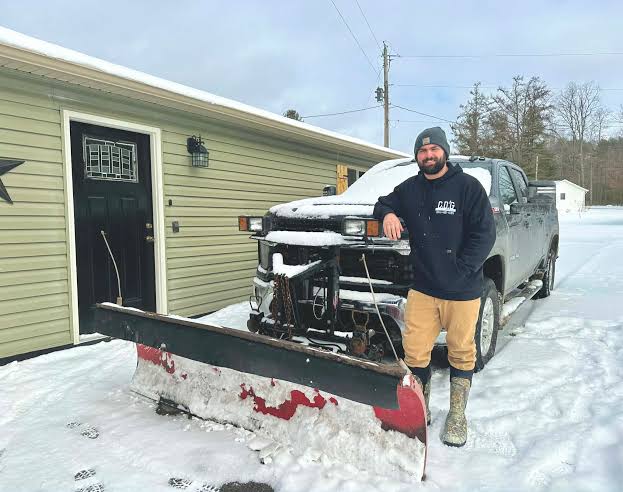
Having the right tools makes lawn maintenance more efficient and effective. A reliable mower, appropriate watering system, and basic gardening tools—like those used by professionals such as DG Lawncare are essential for routine care.
Investing in quality equipment ensures better performance and durability. Regular maintenance of tools, such as sharpening mower blades, also contributes to improved results.
Importance of Aeration and Overseeding
Aeration involves creating small holes in the soil to allow air, water, and nutrients to reach the roots. This process reduces soil compaction and promotes healthier growth.
Overseeding, on the other hand, introduces new grass seeds to existing lawns. It helps improve density, fill in bare spots, and enhance overall appearance.
Combining aeration and overseeding is a powerful technique for revitalizing lawns and maintaining long-term health.
Efficient Lawn Care Routines
Consistency is key to successful lawn maintenance. Establishing a routine that includes mowing, watering, fertilizing, and ensures that your lawn remains in good condition.
Creating a schedule based on seasonal needs helps you stay organized and avoid neglecting essential tasks. Over time, a consistent routine leads to a healthier and more resilient lawn.
Benefits of Consistent Lawn Maintenance
Improved Curb Appeal
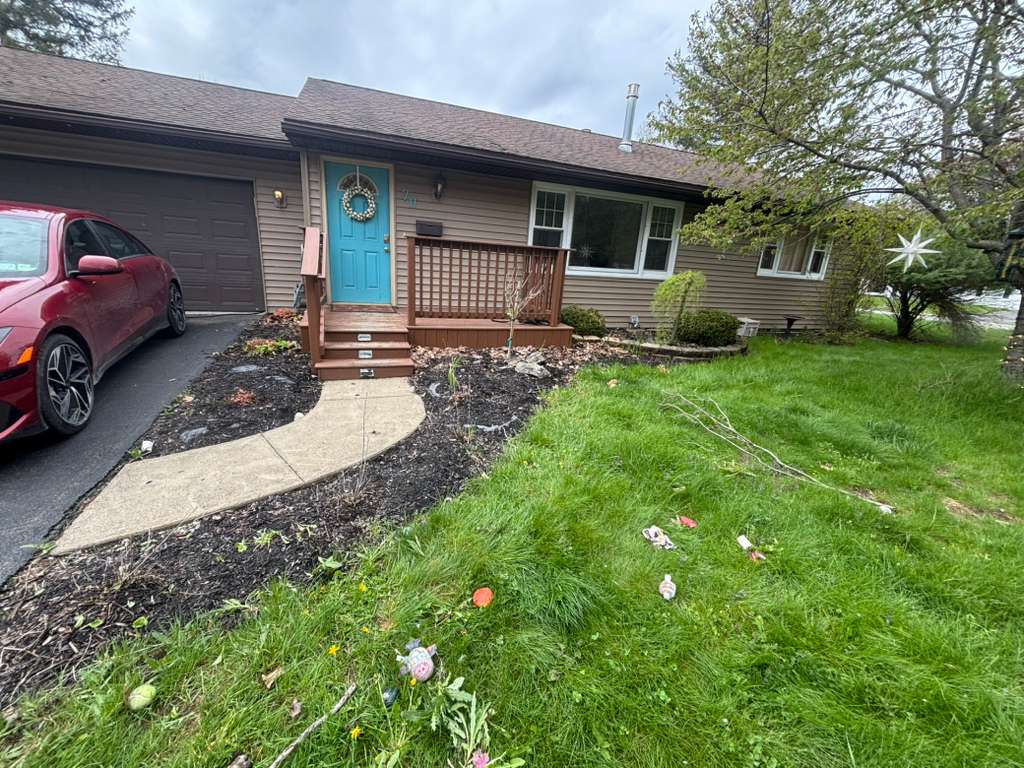
A well-maintained lawn significantly enhances the visual appeal of your property. It creates a positive first impression and adds to the overall aesthetics of your home.
Healthier Soil and Grass Growth
Regular maintenance supports soil health and encourages strong root development. This results in thicker, greener grass that can withstand environmental stress.
Long-Term Cost Savings
Preventive care reduces the need for costly repairs or treatments. Addressing minor issues early prevents them from becoming major problems, saving both time and money in the long run.
FAQ Section
How often should I mow my lawn?
Most lawns should be mowed once a week during the growing season, depending on grass type and growth rate.
What is the best time to water a lawn?
Early morning is ideal, as it allows water to reach the roots before evaporation occurs.
How can I prevent weeds in my lawn?
Maintaining a thick, healthy lawn through proper mowing, watering, and fertilization helps prevent weed growth.
Why is lawn aeration important?
Aeration improves soil structure and allows essential nutrients, air, and water to reach the roots more effectively.
Can I maintain a healthy lawn without professional help?
Yes, with consistent care and the right techniques, homeowners can maintain a healthy lawn on their own.
Conclusion
Maintaining a healthy yard requires dedication, consistency, and a clear understanding of essential lawn care practices. From proper mowing and watering to seasonal adjustments and problem-solving, each step plays a vital role in achieving a vibrant lawn.
By following these lawn maintenance tips, you can create an outdoor space that not only looks beautiful but also thrives throughout the year. A well-maintained lawn enhances your home’s appeal, provides a relaxing environment, and reflects the care you put into your property. With the right approach and regular attention, a healthy, green yard is well within your reach. If you need expert help to achieve the perfect lawn, contact us today to get started.